How to Choose the Right Conveyor Chain for Your Plant
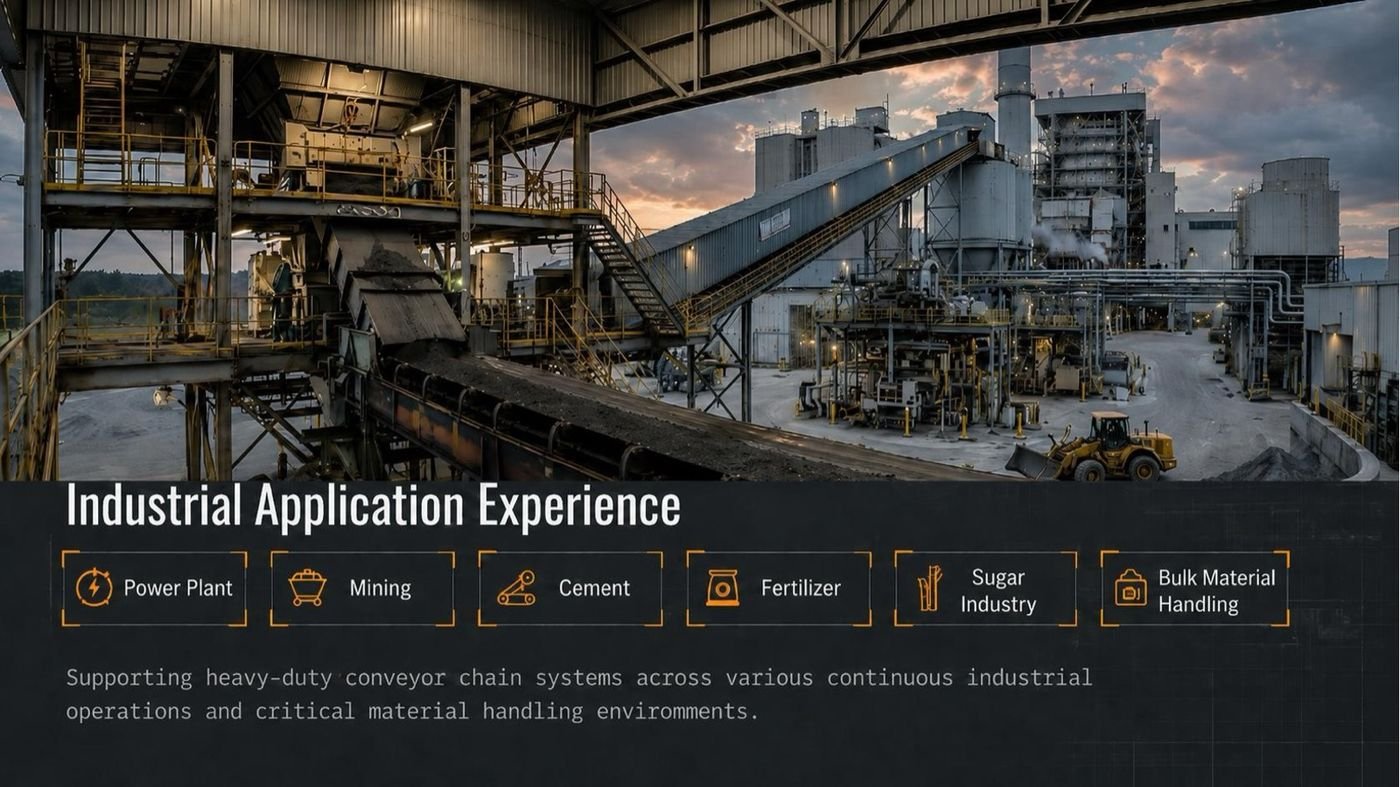
Conveyor chain is a vital component of any heavy-industry material handling system. Choosing the right chain determines production efficiency, equipment life and long-term maintenance cost — and the wrong choice can end in expensive downtime. Here is a practical guide from the VOLER engineering team.
1. Understand the Material
Start with the material being handled. Is it abrasive (cement clinker, silica sand), hot (clinker, ash), sticky or corrosive? Abrasive materials call for chain with hardened wear surfaces, while hot materials need alloy steels that hold up at high temperatures.
2. Define Capacity and Speed
Capacity (tonnes per hour) and conveyor speed determine the chain pitch and the breaking load required. High capacity over long distances demands high-strength forged chain, as used in a drag chain conveyor.
3. Match the Chain to the Conveyor Type
Each conveyor type needs a different chain:
- Drag chain conveyor — enclosed, dust-free bulk conveying.
- Bucket elevator — vertical handling.
- Apron feeder — impact loads from large lumps.
- Scraper conveyor — coal and ash.
4. Consider the Operating Environment
Temperature, humidity, dust and chemical exposure all affect the choice of chain material and lubrication. Dusty areas call for enclosed systems, while wet areas need corrosion protection.
5. Insist on Quality and Certification
Quality chain always comes with raw material certificates and has passed quality control: dimensional, hardness and breaking-load tests. VOLER applies a five-stage QC process to every product.
Conclusion
Choosing the right conveyor chain means weighing the material, capacity, conveyor type and operating environment. With the right, high-quality components, your plant runs more reliably at a lower maintenance cost.
Custom Conveyor Chain & Material Handling · Free Consultation · WhatsApp